Gourmet Cooking Tips and Tricks: Elevate Every Plate
Selected theme: Gourmet Cooking Tips and Tricks. Welcome to your friendly home for chef-tested techniques, flavorful insights, and confidence-boosting strategies that turn everyday cooking into memorable dining. Enjoy, experiment, and subscribe to keep fresh gourmet inspiration coming to your kitchen.
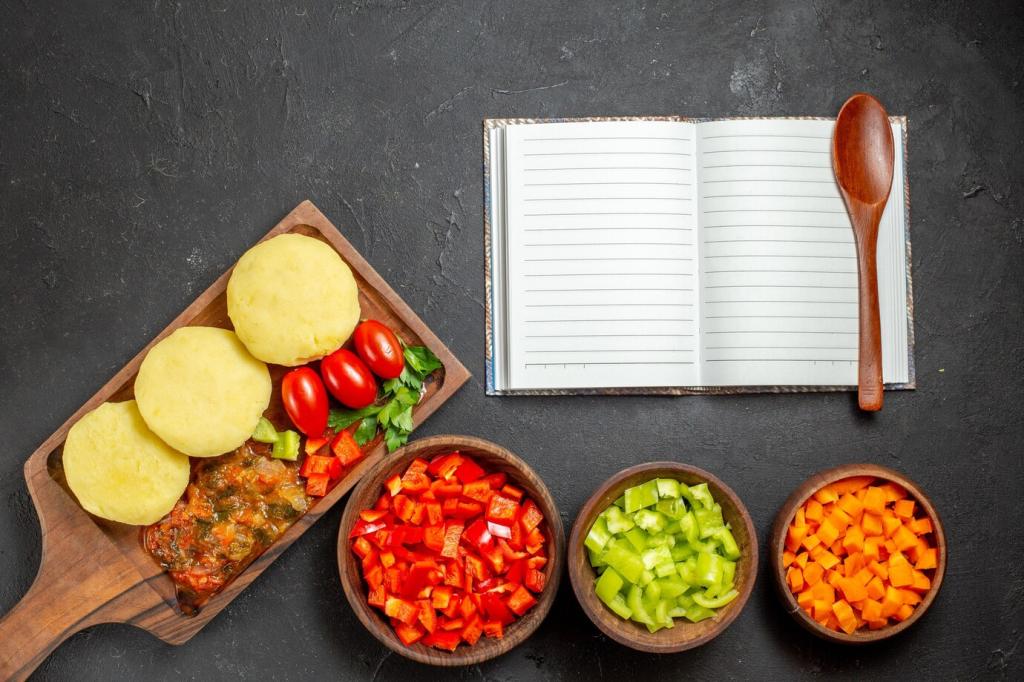
Begin with the menu’s end in mind. Group ingredients by cooking station, flag last-minute garnishes, and portion components. This simple map prevents scrambling, preserves texture, and helps your gourmet intentions survive real-time kitchen chaos.
Use small bowls, sticky labels, and a kitchen scale for precision. Mark cooking durations on your recipe margins and set timers. You will free mental space to focus on flavor, not frantic decision-making.
During a packed brunch service, we pre-zested lemons, toasted nuts, and portioned butter. When orders surged, our sauces stayed glossy and our eggs perfect because mise en place carried the pressure for us.
Stage Aromatics for Depth
Sweat onions low and slow for sweetness, then add garlic briefly to avoid bitterness, and finish with herbs at the end. Gentle layering coaxes complexity, ensuring each note feels deliberate, not muddled.
Balance Acid, Salt, Sweet, Bitter, and Umami
Taste, then micro-adjust. A splash of vinegar brightens heavy sauces, a pinch of sugar tames aggressive acidity, and soy or miso adds umami roundness. Balance transforms good ingredients into harmonious, restaurant-level flavors.
Let Time Develop Flavor
Broths, braises, and marinades reward patience. Rest sauces off heat to marry sharp edges. Overnight chilling can round flavors dramatically, making small seasoning tweaks more effective the next day. Flavor evolves while you sleep.
The Science of Heat: Sear, Simmer, and Rest
Pat proteins dry, season well, and use high-smoke-point oil. Preheat until the pan shimmers, then sear undisturbed. The Maillard reaction awakens around 140 to 165 degrees Celsius, building savory depth and irresistible crust.
The Science of Heat: Sear, Simmer, and Rest
For delicate fish or chicken, keep water between gentle steam and small bubbles, roughly 75 to 85 degrees Celsius. Aromatics infuse subtly, proteins stay tender, and you preserve natural juices without toughening the meat.
The Science of Heat: Sear, Simmer, and Rest
Remove steaks or roasts a few degrees early; internal heat rises as they rest. This simple trick locks in juices and nudges doneness to perfect. Slice after resting for pristine texture and flavor.
Sauces and Emulsions: Silky, Stable, and Brilliant
After searing, pour off excess fat, deglaze with wine or stock, and scrape fond thoroughly. Reduce to concentrate, mount with cold butter, and finish with a bright acidic touch. The result tastes orchestrated, not accidental.
Sauces and Emulsions: Silky, Stable, and Brilliant
Temperature is everything. For mayonnaise or aioli, start slow so droplets disperse. For hollandaise, keep it warm, not hot, to avoid splitting. Balance fat with acid, and whisk consistently for glossy, dependable silkiness.
Ingredients that Matter: Seasonality, Sourcing, and Smart Swaps
Seasonal Shopping Strategy
Build menus around what tastes best now. Peak-season tomatoes need little more than salt and olive oil. Off-season, shift to roots, cabbages, and grains, letting technique and seasoning carry the flavor spotlight.
Keep flaky salt for crunch, fine salt for even seasoning, and a bright vinegar or citrus for lift. A peppery finishing oil or nutty brown butter can transform familiar dishes into polished, gourmet experiences.
No crème fraîche? Mix equal parts sour cream and heavy cream with a pinch of salt. Missing shallots? Use finely minced red onion, rinsed briefly. Flavor intention matters more than brand names or perfect matches.
Stack thoughtfully to create dimension without overcrowding. Use odd numbers for visual rhythm and leave breathing room on the plate. A focused arrangement makes colors pop and signals confidence before the first bite.
Crunch as a Flavor Multiplier
Add toasted breadcrumbs, crisped herbs, or a brittle cheese tuile. Crunch resets the palate, making creamy, silky, or tender components feel livelier. Contrast keeps bites exciting from start to satisfying finish.
A Crunchy Garnish That Won Dinner
We finished a mushroom risotto with lemony almond gremolata. The room went quiet at the first crackly bite, then applause. Texture transformed a cozy classic into a gourmet moment worth remembering and repeating.